

Blog
How Busyness Makes Us Accidentally Unkind
The unkindest things that happen at work are rarely done by unkind people. That's the part we get wrong. We picture the office villain, the deliberate bully, the person who enjoys being difficult. But most of the unkindness I see in organisations happens in passing, by good people, in a hurry – nothing to do with anyone's intentions.
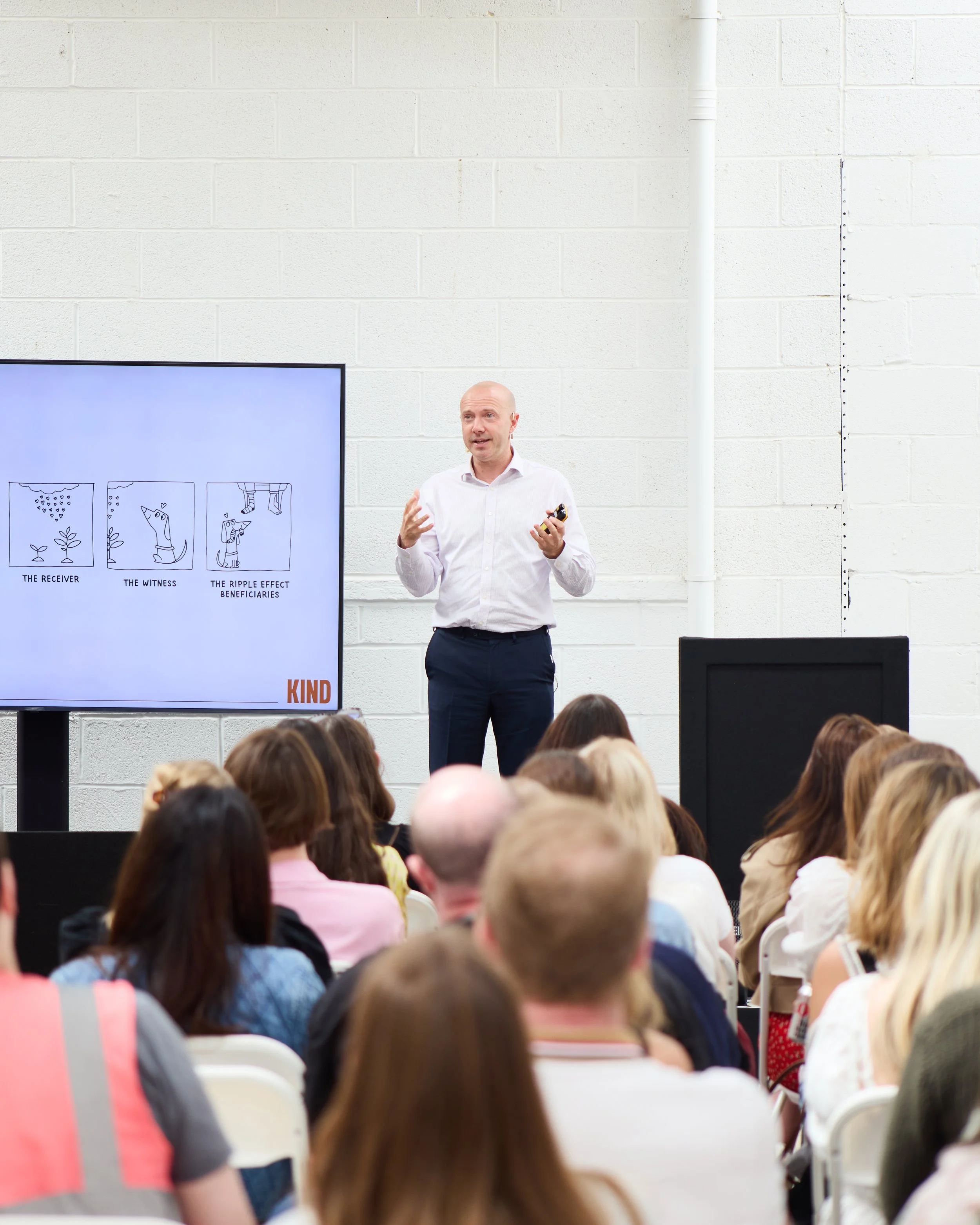
Booking a Speaker for a Team Away Day? Read This First
We've all sat through the away day that didn't quite work. The venue with the slightly-too-cold coffee. The trust fall nobody wanted. The external speaker who was perfectly fine, but who had clearly given exactly the same talk the day before to a different company with a different logo on the screen, and would give it again tomorrow.
Why Kind Leaders Have the Hard Conversations
There's a manager I think about sometimes – not a real individual, but a type I've met in workshops dozens of times over. Warm, well-liked, genuinely cares about their team. And quietly, slowly letting a performance problem fester for months because raising it felt unkind. By the time it finally came out, it came out as a formal process, a shock to the person involved, and a mess for everyone. Avoided for kindness. Cruel in the end.
And that's the paradox at the heart of kind leadership. The thing that feels kindest in the moment – saying nothing, keeping the peace, not making it awkward – is very often the unkindest thing you can do over any length of time. The hard conversation you didn't have doesn't disappear. It just grows.
I'm convinced that the willingness to have difficult conversations, early and well, is one of the truest tests of whether a leader is actually kind or merely nice. So why is it so hard, and how do you get better at it?
9 Characteristics of a Productivity Ninja
1. Zen-like calm
Do you have a system to store the information, actions, task lists, checklists and files? What could be improved to make it easier to access? Zen like calm is an ability to remain focused and not be stressed by all the things you’re not doing.
2. Ruthlessness
Saying ‘no’ to as many distractions as possible. Could you afford to be more ruthless in your focus?
How to Choose a Keynote Speaker Who Actually Changes Behaviour
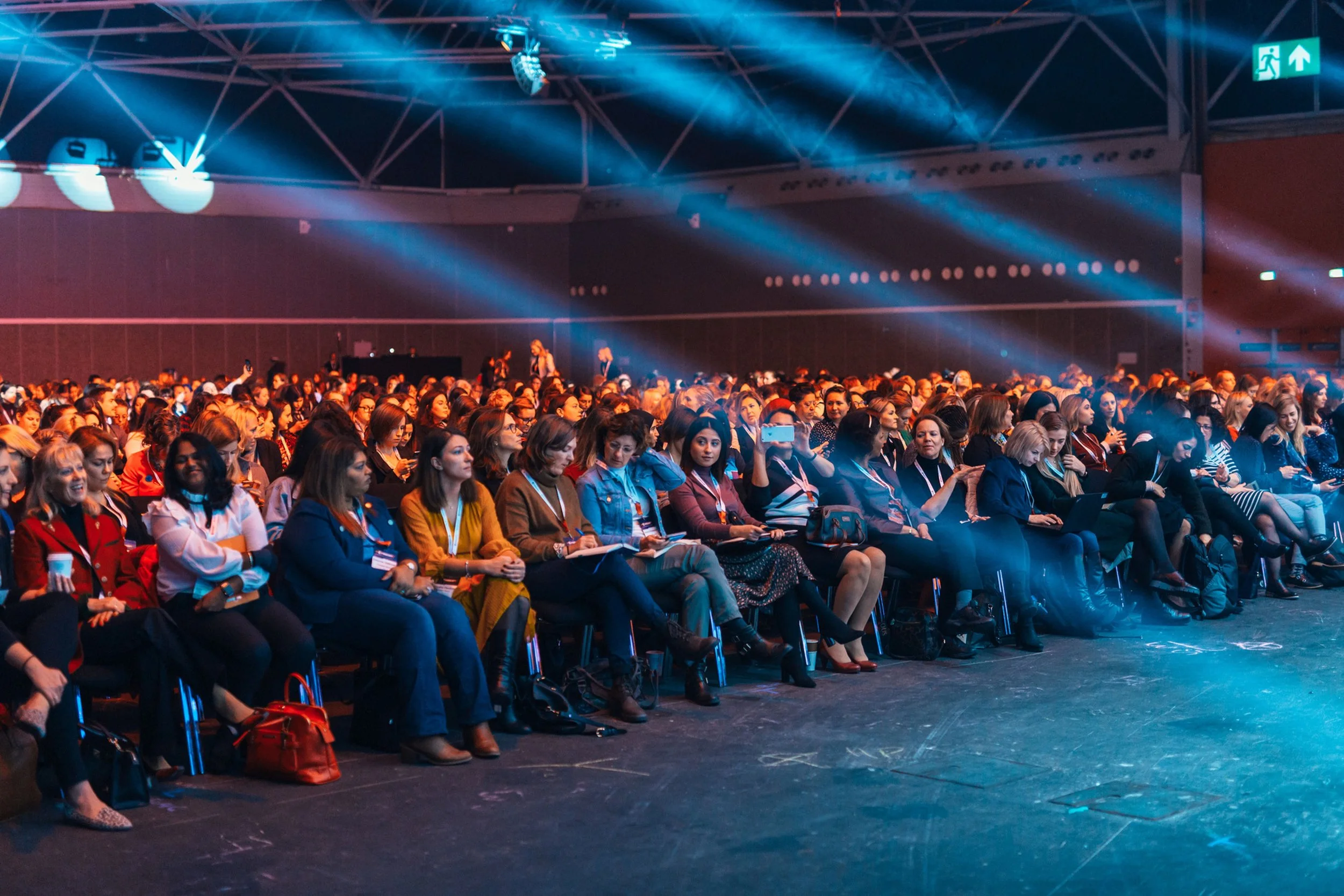
Ask almost anyone who books speakers for a living and they'll tell you the same thing, usually with a slightly rueful look: the talk that gets the biggest reaction on the day isn't always the one that changes anything.
A lot of event organisers have sat through versions of this. The polished speaker, the well-rehearsed story arc, the room buzzing on the way out – and then nothing. No one doing anything differently a month later. No shared language, no shifted habits, no detectable change in how the team works. The energy evaporated somewhere between the venue and the car park.
The real test of a keynote is not the applause. It's whether anyone is doing anything differently weeks later. That's the measure that matters, and it's also the one that's hardest to buy for in advance. You can watch a showreel. You can read testimonials. You can't audition behaviour change. So you end up optimising for the wrong signal, and sometimes getting a very expensive room full of people who feel inspired for an afternoon and then go back to exactly how things were. Here's what to look for instead.
How to do a weekly review – The 5-Stage Method
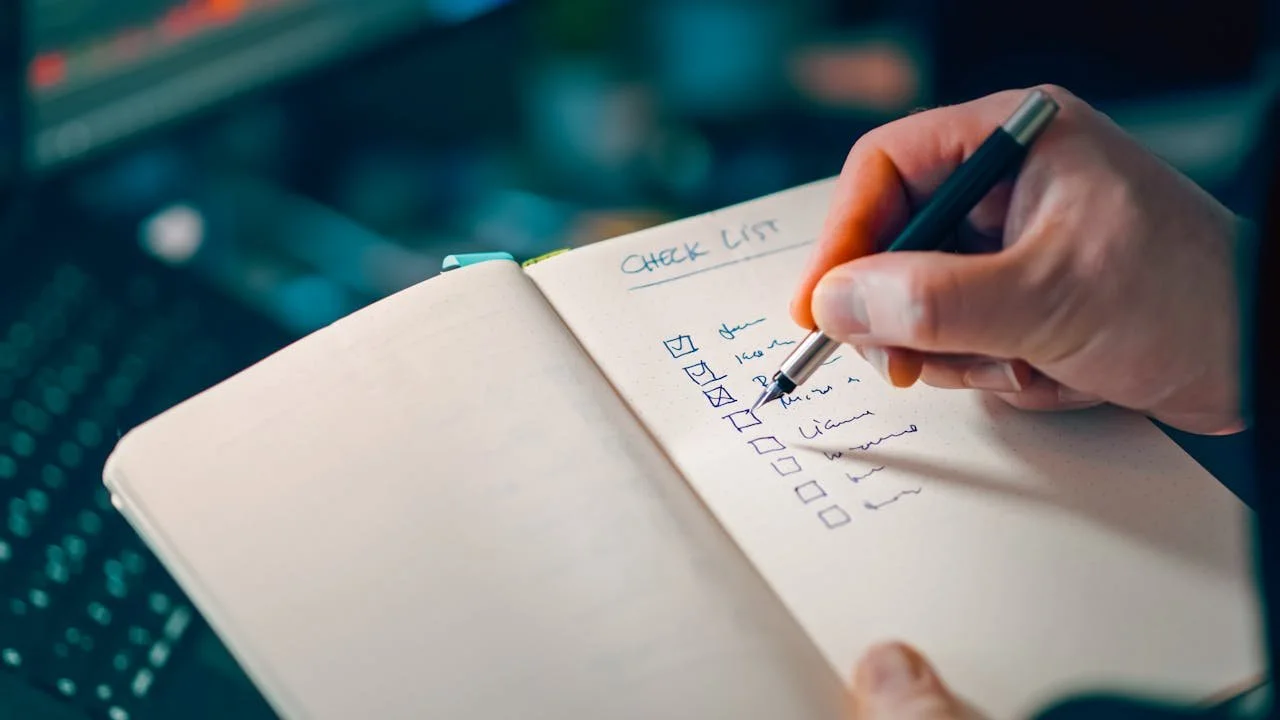
A few years ago, I was in the middle of one of the most hectic periods of my working life – running Think Productive, writing a book, speaking at conferences and generally trying to do too many things at once. I wasn't drowning, exactly, but I could feel the current.
The thing that saved me wasn't a new app or a smarter filing system. It was 90 minutes on a Friday afternoon that I'd been doing for years and had started to skip.
The weekly review.

The productivity myth – why working harder isn't the answer
There's a story we tell ourselves about productive people. They start earlier, finish later, sleep less, do more. They're the first one in and the last one out. Their inbox is always at zero because they're always checking it. They're always on.
This story is wrong. And it's causing enormous damage.
Why being less busy makes you more productive
Here's something I've been saying for years, and it still surprises people every time:
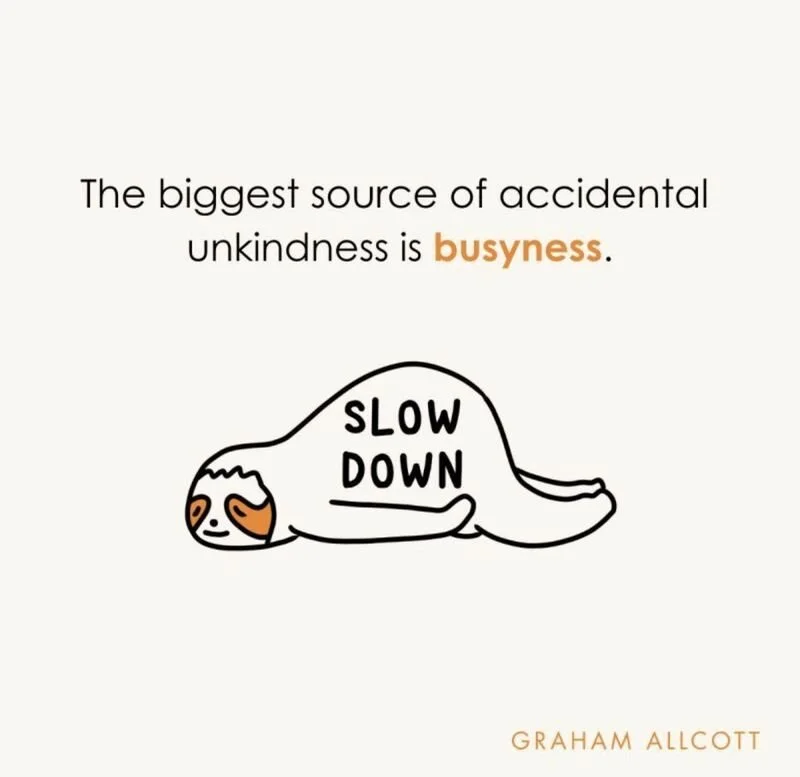
Busy is not the same as productive.
In fact, in my experience, the busiest people are often the least productive. And learning to be deliberately less busy is one of the most powerful things you can do for the quality of your work.

How to build a kind workplace culture
Kindness rarely makes the headlines. It happens gently and quietly – but leads to spectacular results.
I've spent the last few years running workshops and keynotes on kindness at work with organisations across financial services, healthcare, tech, charity, government and beyond. And the question I get asked most often isn't whether kindness matters – most leaders already believe it does – but how. How do you actually build it into the culture? How do you make it structural rather than accidental? How do you sustain it when things get hard?
Here's what I've learned.
The difference between nice and kind at work
There's a sentence I've been saying in workshops and keynotes for years now, and it never fails to land:
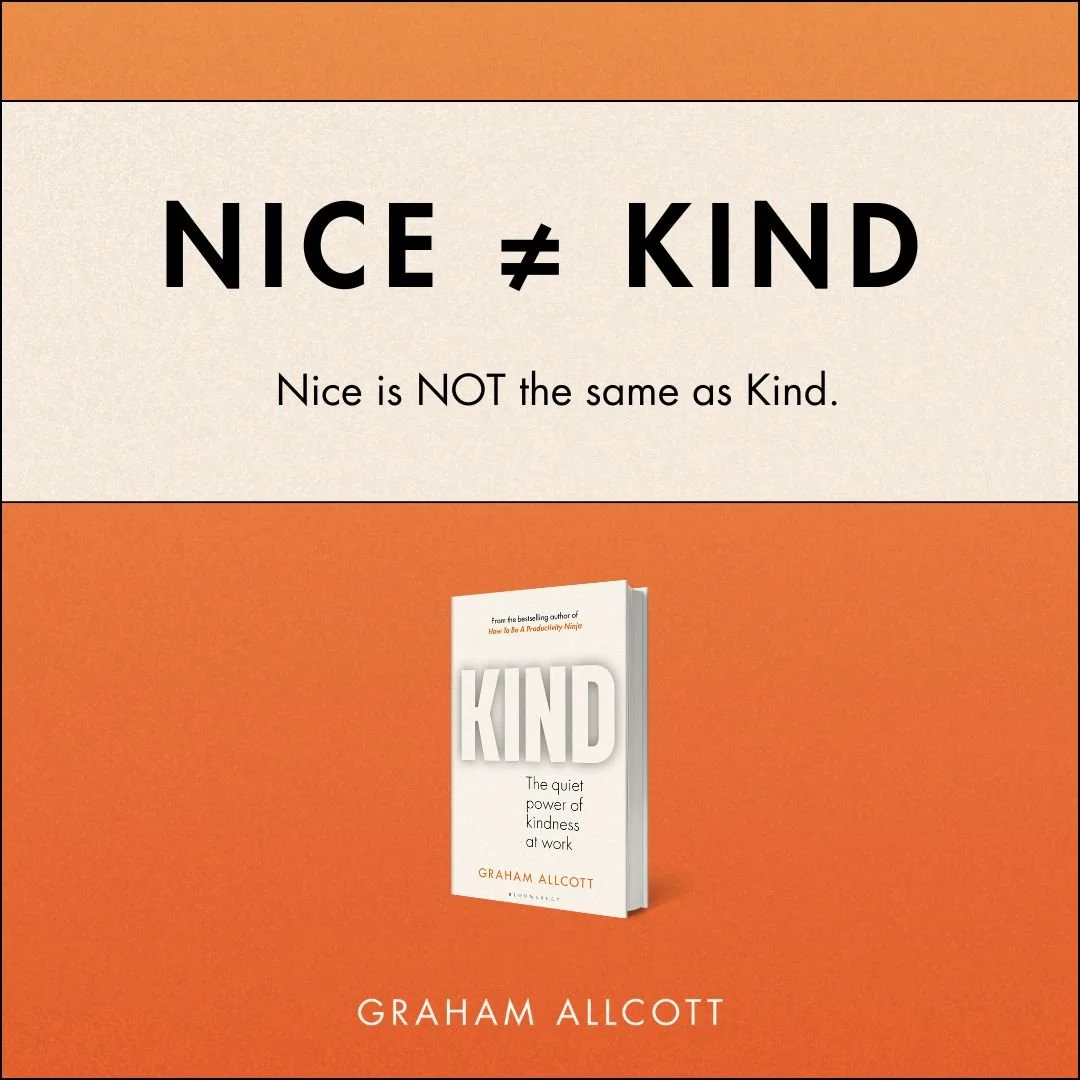
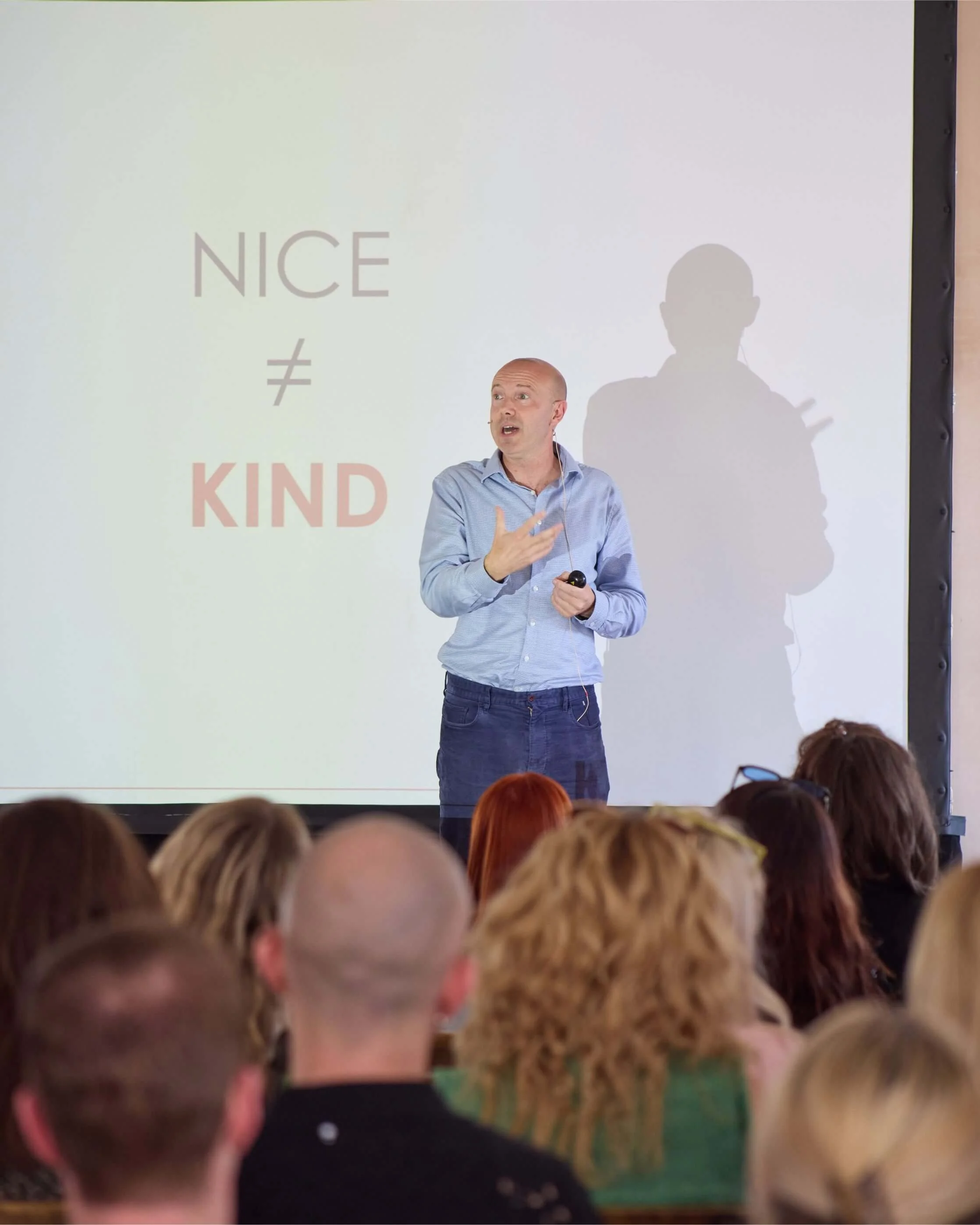
Nice is for you. Kind is for them.
People tend to pause when they hear it. Then something shifts. Because most of us have spent a long time thinking these two words mean the same thing – and realising they don't changes quite a lot.
What is kind leadership?
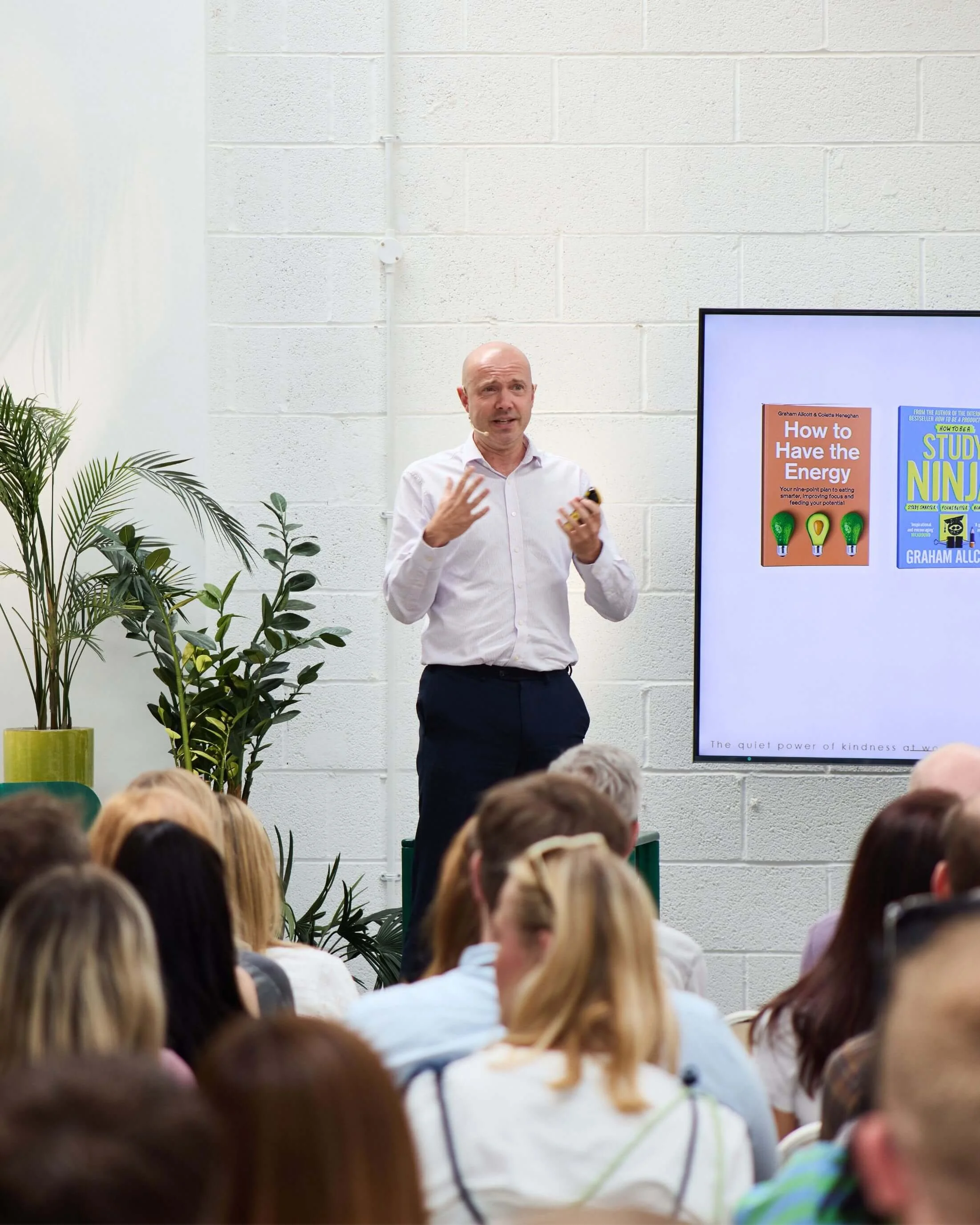
When I ask leaders to picture a 'kind leader', I often see a slight hesitation. There's a faint anxiety in the room. People want to say the right thing, but somewhere in the back of their mind is a worry: does 'kind' mean soft? Does it mean being popular at the expense of being effective? Does it mean never pushing hard, never raising difficult things, never making the call that not everyone agrees with?
It doesn't. Kind leadership is actually one of the most demanding forms of leadership there is. Let me explain what it actually involves.
Why kindness is good for business
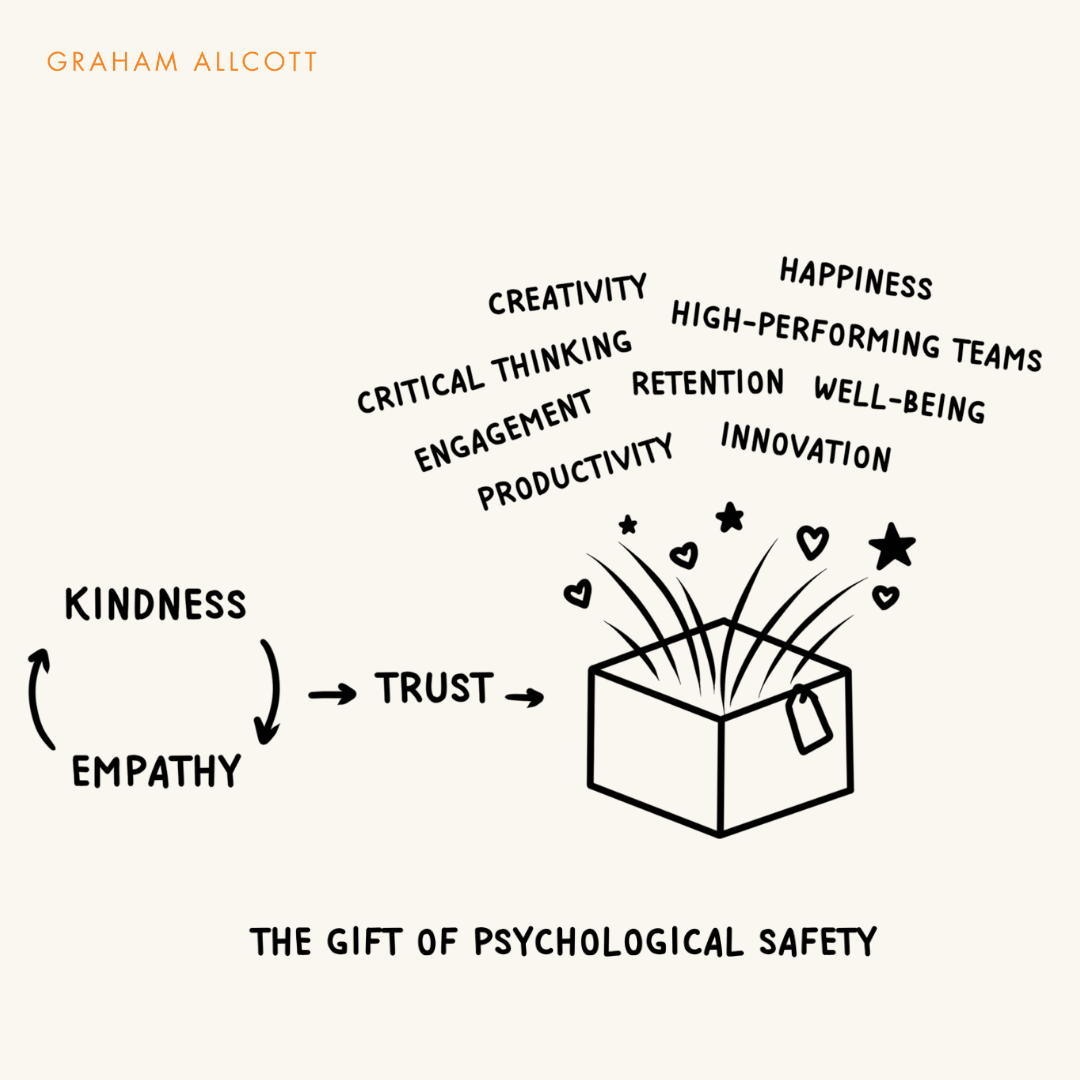
A few years ago, I delivered a keynote to a large investment bank in Rome. At the end, during the Q&A, someone asked me what had most helped me build a global business from scratch. 'Kindness fuels everything,' I said. 'If you're kind and people trust each other, then you win. It's as simple as that.'
The room divided almost instantly. There were people nodding vigorously, and there were people pushing back hard – 'No way! Business is all competition!', 'The ruthless always succeed!' Someone pointed at Steve Jobs and Donald Trump as proof that kindness has no place at the top.
I've been thinking about that moment ever since. And I've spent the years since gathering the evidence, the case studies and the stories that prove the opposite is true. Kindness isn't the soft option. It's the smart one.
What to expect when you book a kindness keynote speaker
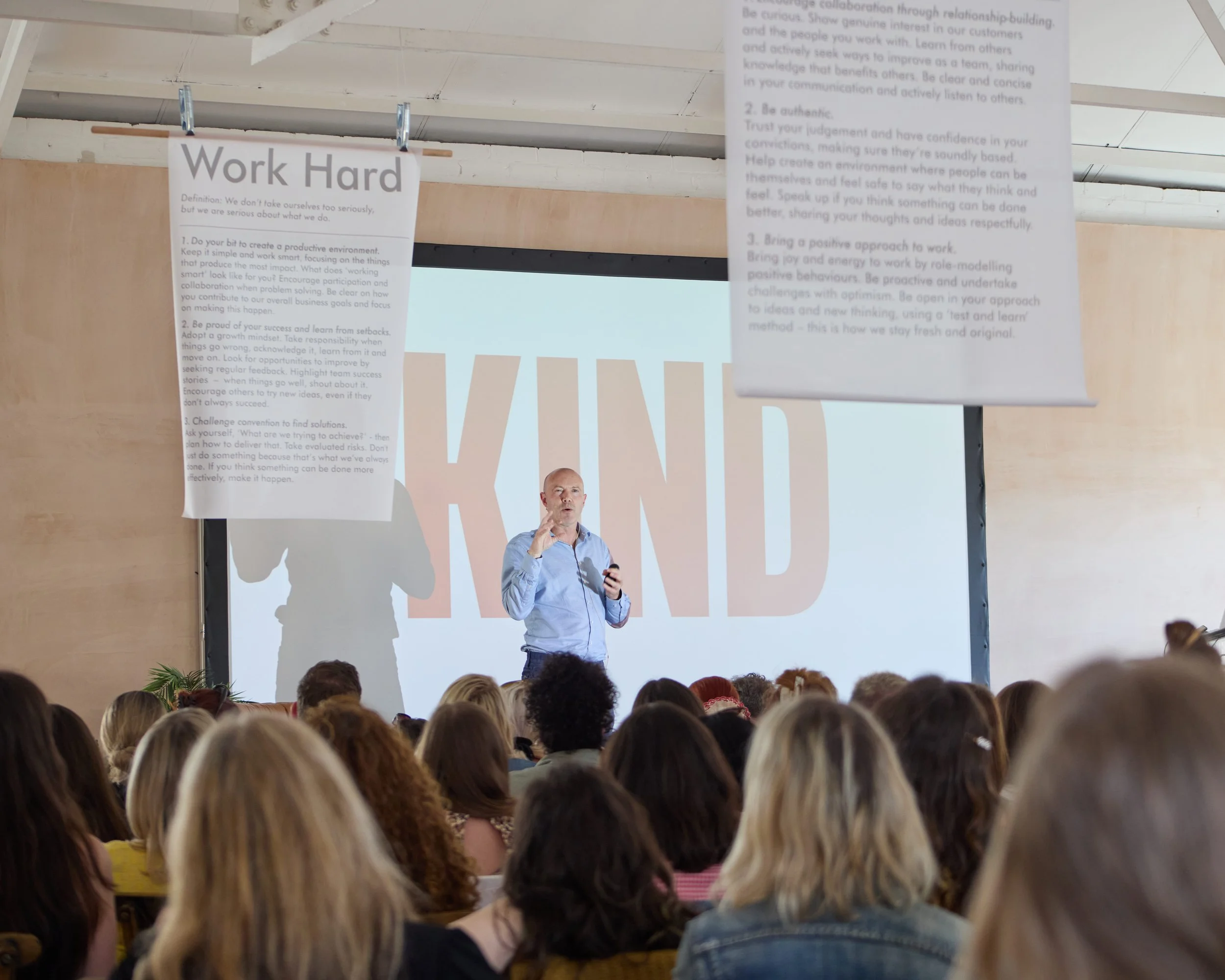
If you're an event organiser, an HR director or a leader putting together an away day, and you've been thinking about booking a keynote on kindness at work – this post is for you.
I've been speaking professionally for well over a decade, and I've noticed that the questions people have when booking a keynote on kindness tend to cluster around a few common themes. Will it land with a sceptical audience? Is this appropriate for a corporate setting? What does the audience actually take away? How does it connect to business performance?
Let me answer those questions directly.
How to design a team away day that actually changes behaviour
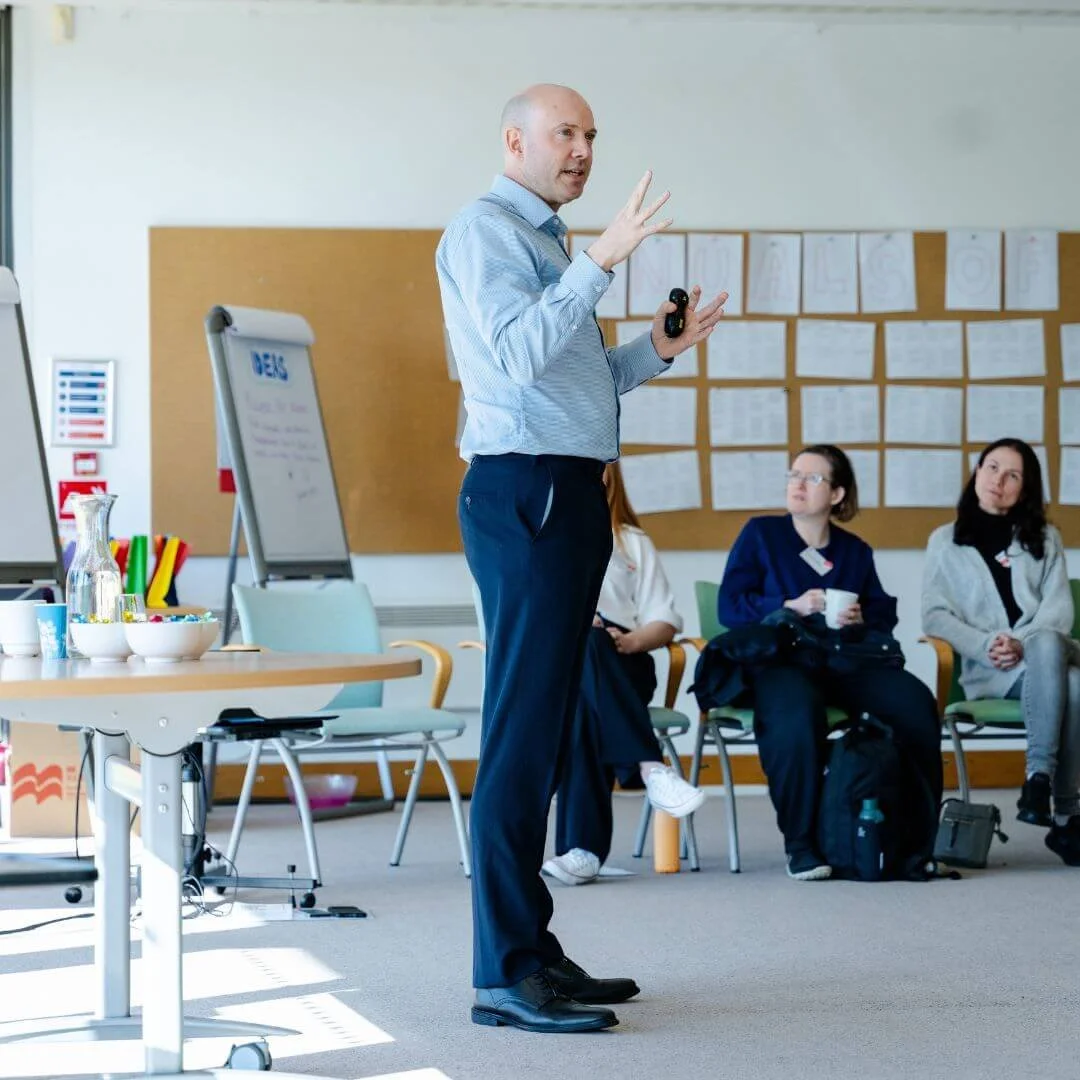
Most team away days look good on paper. A packed agenda. A high-energy facilitator. A few exercises thrown in to keep people awake. By the end, everyone’s tired, slightly overfed and still quietly unsure what they’re meant to do differently on Monday.
It doesn’t need to be this way.
A good away day earns its place in the calendar. It gives people space to think, reconnect and see the work with fresh eyes. And crucially, it changes behaviour afterwards.
After years of delivering KIND sessions and Productivity Ninja workshops, I’ve seen a few patterns in what works and what quietly derails the whole thing.
Let’s start with why many away days fall flat.

How to Write Kind Emails
Most emails aren’t unkind because of what they say – but because of how they land.
We’ve all opened a message that looked perfectly reasonable on paper but somehow made our shoulders tense. The sender probably meant to be efficient; what we read was abrupt. In a world where we send hundreds of emails every week, those small lapses of tone have a big impact.
Writing kind emails doesn’t mean padding everything in niceties or avoiding hard truths. It means bringing clarity, empathy and care into the way we communicate – so that our intention matches the impact.
Kindness starts with you
Self-kindness at work can feel awkward. Many of us have absorbed the story that it’s weak, self-indulgent or a distraction from “real work.” But here’s the reality: kindness starts with you.
When you treat yourself with compassion, you’re not just making your own life easier – you’re quietly showing everyone around you that it’s safe for them to do the same. Your self-talk, your boundaries and the way you look after yourself become a form of role-modelling. That’s the real leadership.


How to build kind teams – a practical guide for leaders
Every organisation I work with says it wants better teams. Higher trust. More honest conversations. Less conflict, more collaboration. People who actually want to be there.
What most don't quite realise is that the thing underpinning all of that – the foundation the whole thing sits on – is kindness. Not the soft, sentimental kind. The clear-eyed, accountable, genuinely-caring kind.
Kind teams aren't just nice places to work. They perform better, stay together longer, and handle pressure with more resilience. That's not wishful thinking – it's increasingly backed by evidence, and it's also what I've seen consistently across two decades of working with organisations.
Here's what kind teams actually look like, why they outperform, and how to build one.

How to give Kind Feedback
When feedback springs from a place of kindness, it can strengthen relationships and spur personal growth. It’s about supporting each other’s development rather than pointing fingers. Imagine the difference between a boss who says, “This report is sloppy,” versus one who remarks, “I believe you could enhance this report by being more detailed in your analysis.” The latter, rooted in kindness, encourages improvement without deflating the recipient’s spirits.