

Blog

We need more role models of kind leaders in business
There's a dominant story about what effective leadership looks like. It's decisive, demanding, a little bit feared. It gets results by applying pressure. It doesn't have time for feelings.
You know the archetype. The brilliant bastard. The high-performer who's hell to work for but somehow always delivers the numbers. The leader who's celebrated in business press and studied in case studies while their former team members quietly look for jobs elsewhere.
Here's my problem with that story: it's not accurate, and it's not the whole picture. Kind leaders exist, they get results, and they build organisations that last. We just don't hear about them as much – because the drama of the difficult genius makes better copy than the quiet effectiveness of someone who simply treats people well.
That needs to change. And not just because kindness is nicer. Because it works.

Zooming into the Future of Meetings
A few years ago, we all worked in a traditional office environment. Daily commutes to work, sitting at our desks, attending work meetings, and then commuting back home were normal. These activities sunk huge chunks of time and led to stress and ironically, unproductiveness.
Fast forward to today. COVID-19 forced many businesses to adopt remote work and digital meetings as the new norm. While some struggled at first to adjust, others- the early adopters- embraced the change and realized that remote work and digital meetings can offer a lot of benefits. Some companies even realized a spike in employee productivity with the adoption of remote work.
In this blog, I explore the future of meetings and how embracing digital and remote work can help us to work smarter, not harder.

Unconscious Competence
I've been learning to DJ this year. It's the perfect hobby for me, because practising it involves sitting listening to music for hours on end, which I did before anyway. I mostly suck at it so far, but the more I practice, the more I can feel some progress and improvement happening.
As I've been learning, I've spent a lot of time thinking about the four stages of the competence model, so I thought I'd use this week's Rev Up email to talk about that model, and why it's so valuable to us in our work.

The GROW model
The GROW model is one of the best-known coaching models, with four simple stages designed to help someone get from where they are to where they want to be. And whilst a great coach will make these four stages seamless, and ask you questions you either might not have thought of or have been actively avoiding asking yourself, you can also use this process without a coach, too. When I take a step back and think about my work, this simple model helps me answer questions like "what should I be doing next?", "how do we solve this problem?", or "have I thought about this properly?".

Kindful Leadership
These principles of Kindful Leadership will enable you to create a kinder and more high-performing culture for you and your team, and help shift work culture and society at large to something better.

DEFINITION: THE 800-20 RULE
Pareto’s 80-20 rule says that about 20% of your emails will add 80% of the possible impact you can have through your use of email.
This leaves at least 80% of the emails you receive in the category of low priority, noisy, nice to have or plain useless.
I would actually go further than this and say that often when I’m coaching people, the numbers are even more extreme.

Leadership matters…
Leadership matters because the world is messy and by working together, we achieve much more than we do alone. Great leaders bring truth, order, clarity, motivation and excitement to everyone around them. Great leaders get stuff done.
Truth matters, because without it, all we see is the mess.
The rules matter - both the written and unwritten ones - because they hold leaders accountable, which makes it safer for followers to trust in their leaders.
Trust matters because it is the shortcut to every transaction (think about every boss who's had your back, or every purchase you've made with a brand you love). Without trust, there's too much due diligence, and getting stuff done becomes too difficult.
Humility matters because as a leader, how you behave when you break trust, screw up, or overstep the rules is what allows you to rebuild trust, and what allows those that follow you to see that you're open to growth and change.

Messy humans and the benefit of the doubt
One of the characteristics in How to be a Productivity Ninja is "Human, not superhero". The idea is that Productivity Ninjas seem like they have some kind of special power, but they're always still just human beings with good tools, good habits and good thinking. Embracing the idea that we do our best work in spite of ourselves, not because of ourselves, is important and liberating. It allows us to remove perfection from the equation, and hence celebrate the 99% that goes well rather than dwelling on the 1% that goes wrong.
I think that there's a real humanness to our imperfections. The bumpy and imperfect parts of us are what gives life its' flavour and challenge. Nuance and curiosity are, in my opinion, vital components of our progress as a species. But for a while I've felt that these qualities and idea of giving someone the benefit of the doubt have been lacking from our culture, particularly online. Dialogue, kindness and ideas are often abandoned in favour of identity and the quest to prove we're "right".
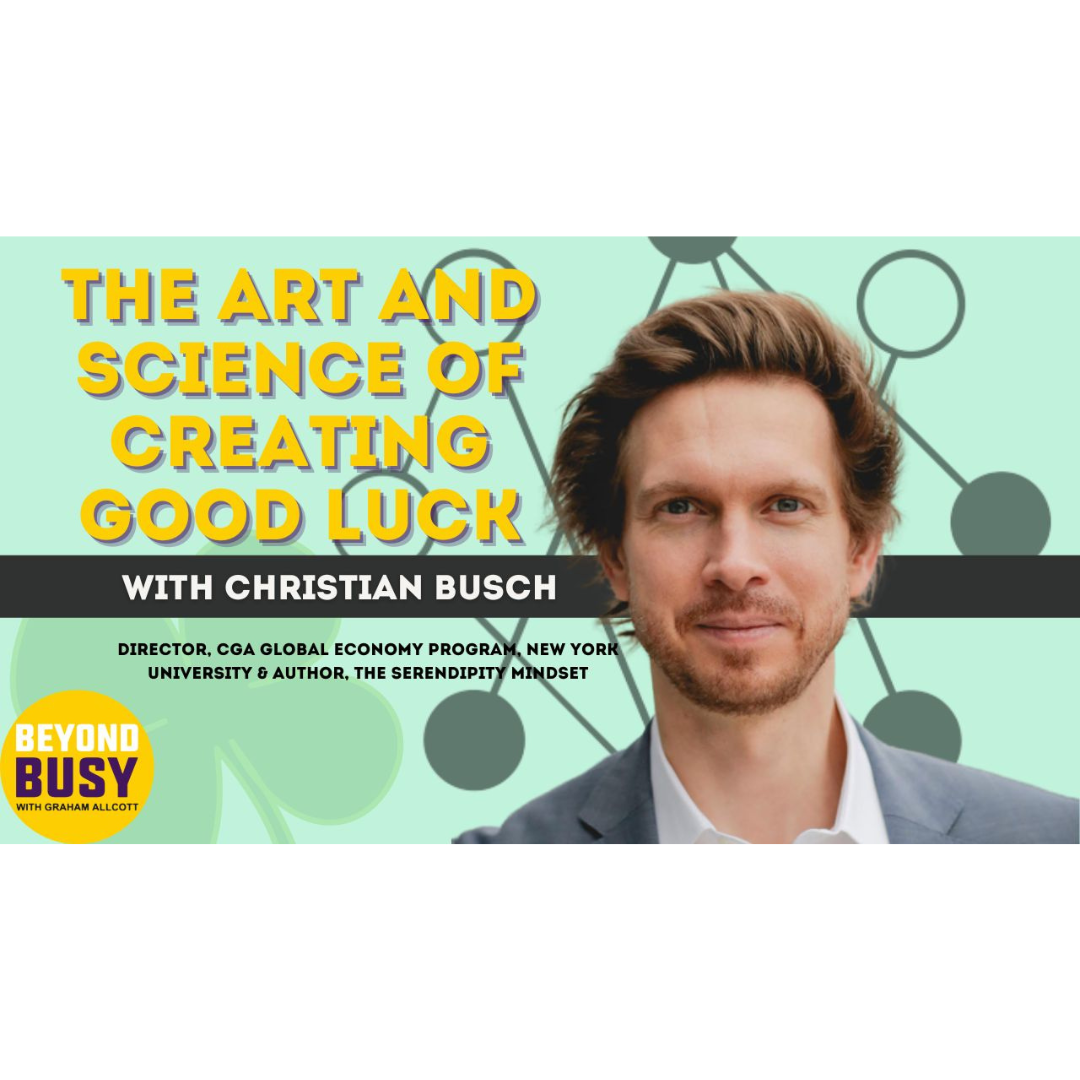
The Art and Science of Creating Good Luck with Dr Christian Busch
Graham Allcott 0:06
My guest today is Dr. Christian Busch. Christian is the director of the global economy programme at NYU, and a former director of the LSCs Centre for innovation. He advises companies all over the world on how to foster creativity, innovation, and luck. He's also the author of connects the dots, the art and science of creating good luck. So if you want to know how to get luckier in your career, this episode is for you. And we also talk about biases, curiosity, productivity, and much more. This is Dr. Christian Bush.
I'm with Dr. Christian Bush, how are you doing? Good, thank you. Great to be here. And I think I can hear Washington Square Park in the background in Manhattan. Is that right?
Dr Christian Busch 1:34
Yes, and most likely a squeaky baby, we just had a newborn.

The Secret Life of Clutter with Helen Sanderson
My guest today is Helen Sanderson. Helen is a professional organiser, and the creator of the home declutter kit. She's also the author of The Secret Life of clutter. And so, in this episode, we talk about our relationship with our stuff, the parallels between decluttering and productivity, and why it's important to get clarity in everything we do. There's a real emotional depth to the book, I really love reading it. And I hope you're going to enjoy the episode just as much. This is Helen Sanderson. How are you doing?
Helen Sanderson 1:22
I'm doing great. lovely to be here.
Graham Allcott 1:25
So welcome to Beyond Busy. And we're going to talk about your book, The Secret Life of clutter. And what's nice, if you're watching this on YouTube, you'll see Helen has a beautiful space. Just behind you there, Helen, which is like obviously just not a surprise, just meeting you. But I really enjoyed the book, The Secret Life of clutter. And I wanted to start with something that you say, which is clutter is decisions that haven't been made. So my first question is, why are people not making those decisions?
Helen Sanderson 2:01
I think we all have decision fatigue. I mean, do you remember when you used to go for a coffee, and you just get a coffee, and now it's you want a flat white or a cappuccino or an espresso or, you know, it's like, that's just one micro-moment where you're, you know, bombarded with decisions. And, you know, we have, we have busy full lives, we're also bombarded by social media, by marketing by choices. And, and I think that I think quite a lot of people run away to their home to try and get away from, you know, decision fatigue, but now it's on your computer.
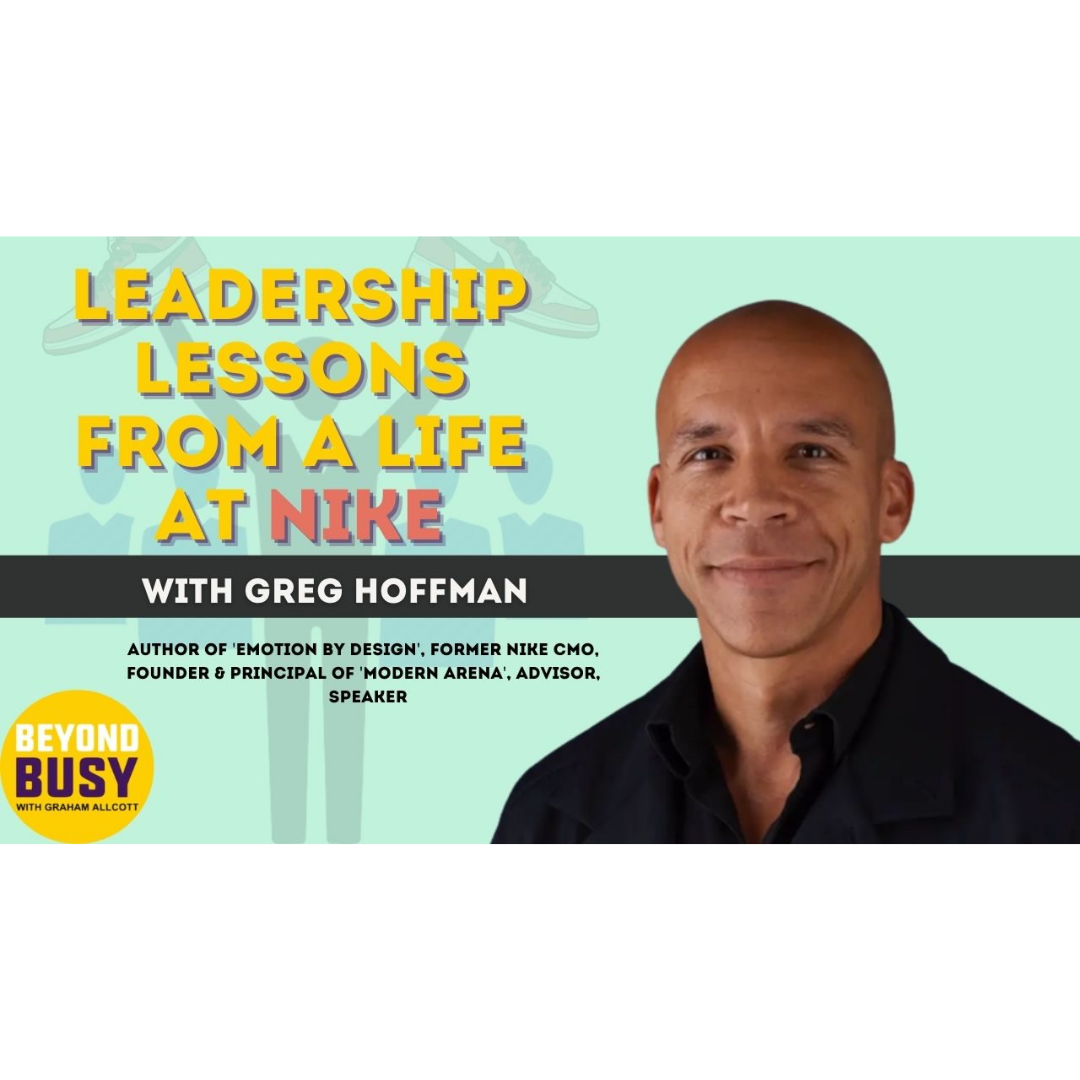
Leadership Lessons from a Life at NIKE with Greg Hoffman
My guest today is Greg Hoffman, Greg spent many years in one of the coolest jobs in the world as Chief Marketing Officer for Nike. He's also the author of a new book about his experiences in Emotion by Design. In this episode, we talked about some of the marketing campaigns that took Nike to another level, the importance of emotion and empathy in business, and why diversity increases productivity. And at the end, he shares a bit about finding his birth parents just last year. This is Greg Hoffman. So Greg Hoffman, welcome to Beyond Busy. How are you?
Greg Hoffman 1:25
I'm doing well. Thanks. Thanks for having me. It's a pleasure.
Graham Allcott 1:29
And we were just talking off air that you're, I'm catching you the day before your business, launch your book launches in the US and then obviously, is going to launch in the UK shortly after that. So I guess you are pretty busy right now.
Greg Hoffman 1:43
That's right. But it's a good kind of busy, right. So keeps you energised, and I couldn't be more happy to share these thoughts and this methodology with the world.

10 reasons to be less busy (and how to actually do it)
Our society puts "busy" on a pedestal. It's a badge of honour, and it's easy to see why. When you're freelance, if you're busy it means you're making money. When you're working in a large organisation, being busy means you're trusted or important. When you're in a small organisation, being busy means you're growing. Busy is good, right?
Busy can be fun. It can be addictive. It can lead to good things. But it's not the same as being productive. The old saying is "if you want something done, ask a busy person", but I'd add that it you want something done efficiently or with quality, then ask someone who is calm, focused and is good at saying "no".
So let's stop being busy. And let's stop the glorification of busy, too. We need recognise what it really is - an inability to relax, an addiction to flattery or excitement, and an inability to make choices that make space for what matters.
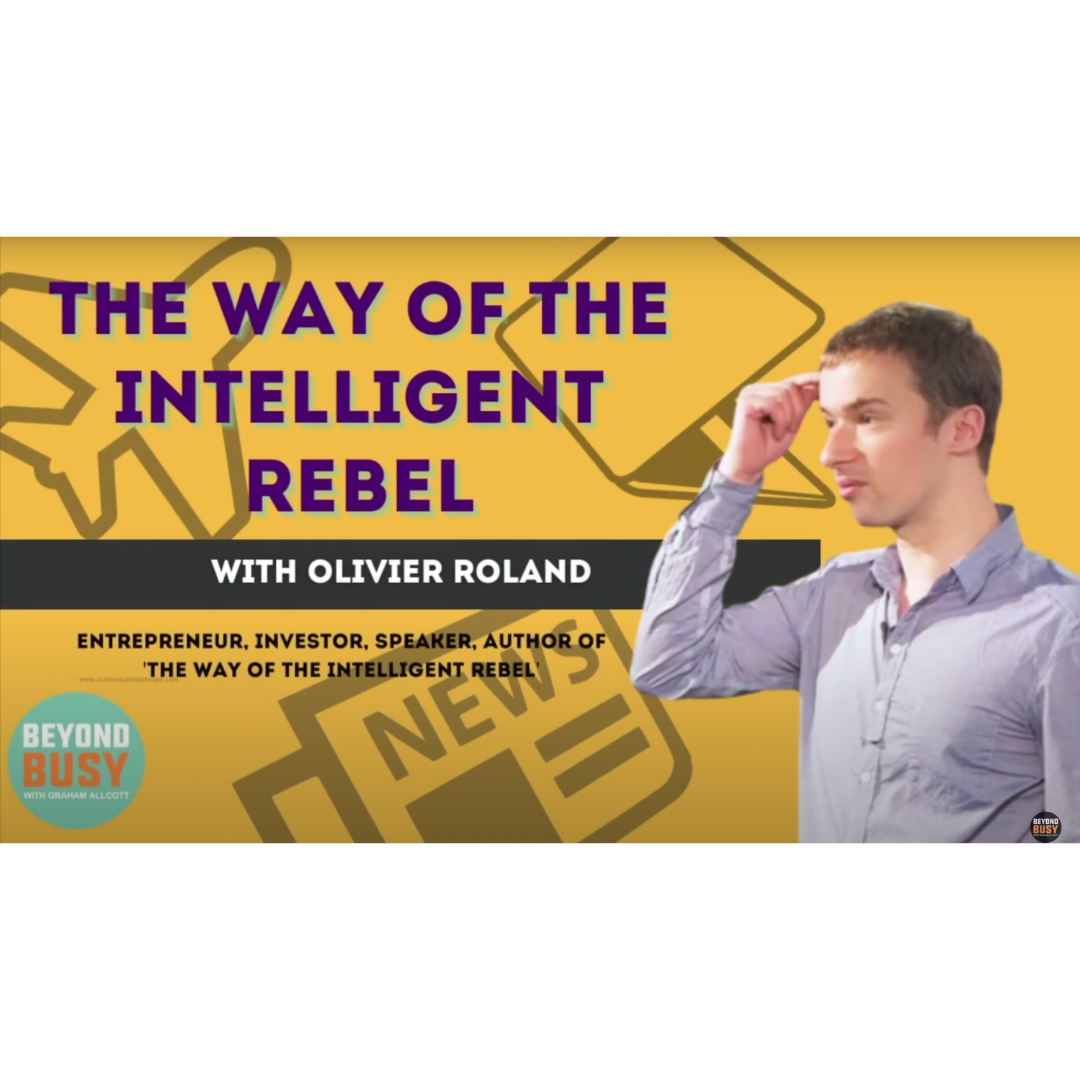
The way of the Intelligent Rebel with Olivier Roland
Graham Allcott 0:06
My guest today is Olivier Roland. Olivier is a French blogger and entrepreneur and the author of the way of the intelligent rebel. The book has been a runaway hit in France. And now the new English language translation brings his ideas to a wider audience. So in this episode, we get geeky around learning how to develop your willpower, productivity and designing a lifestyle to get you beyond busy and change your relationship with the news.
This is Olivier Roland. Did I say that right? Yeah, absolutely. Cool. So welcome to be on Beyond Busy. And we're going to talk about your book The Way of the intelligent rebel. So where are you? Where are you? Where are you in the world right now? Let's start with where you're at.
Olivier Roland 1:33
So right now I'm in Paris, and I will take my flight back to Dubai, where I live tomorrow.
Graham Allcott 1:39
Okay, and I read somewhere that you you travel about six months of the year, is that right?

Full Out with Monica Aldama
My guest today is Monica Aldama. Monica is the star of the hit Netflix show cheer, which I'm sure you've heard people you know, raving about. She's the multi championship winning cheerleading coach for Navarro College in Corsicana, Texas. And she's now put some of her brilliant leadership mantras from the series into a really wise and interesting leadership book. So in this episode, I talked to Monica about what it's been like to suddenly find herself as the centre of attention. We talked about her book fall out, as well as family, humility, and more. And there's loads in here that I think will help you to instil a winning mentality in whatever it is that you're doing. It's coach Monica, this is Monica. With Monica Aldama, how are you doing?
Monica Aldama 1:35
I'm doing great. How are you?

Ethical Business with Dave Linton
My guest today is Dave Linton. Dave is a former youth worker turned entrepreneur, and is the founder of Mad log. Dave started mad log in 2015, with less than 500 quid, and the company has won hearts and wallets with its cool backpacks and luggage. Each product sold allows the company to donate a similar item to a young person in the foster care system. And in this episode, Dave explains why it's so important for kids in care to receive these bags. We talk about kindness, leadership, meeting Richard Branson, and much more. It's an inspiring one this week. This is Dave Linton. Dave Linton, welcome to Beyond Busy - how are you doing?
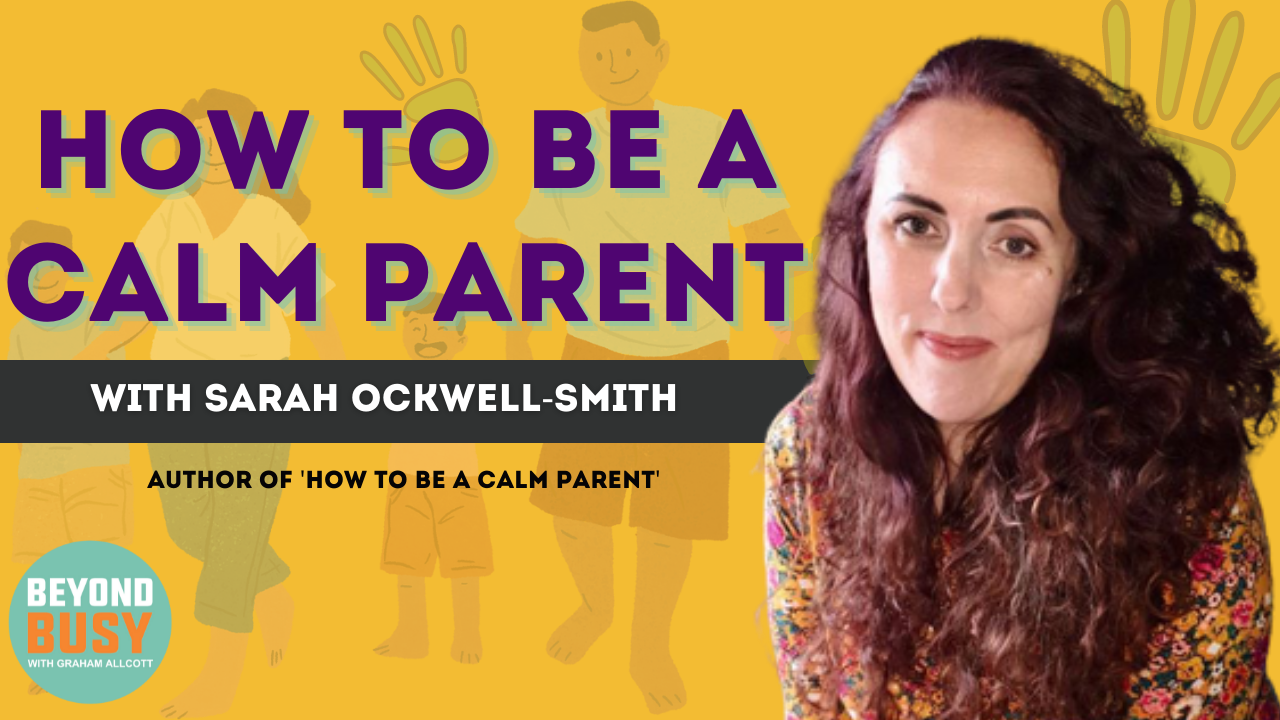
How to be a Calm Parent with Sarah Ockwell-Smith
My guest today is Sarah Ockwell Smith. Sarah is one of the world's leading parenting experts having written 13 books and sold half a million copies. Her philosophy of gentle parenting is hugely influential in the motherhood WhatsApp groups of Great Britain and her latest book, How to be a Calm Parent has as much to tell us about how to look after ourselves as it does, how to look after our kids. In this episode, we talk about how to be calm self kindness, that peaceful pentagon and why being a busy parent isn't actually something to be proud of. This is Sarah Smith. There we go. We're rolling on with Sarah Smith. How are you?

When we're not proactive
When I've been coaching people in productivity, one of the most common aspirations I hear is "I want to be more proactive and less reactive". It's a noble ideal, but also a misunderstood one.
Of course, being proactive, and having a sense of deliberate control over what we do, is powerful. And of course, it far outweighs being stuck on the 'busy treadmill', reacting to whatsapps and slacks and emails and ideas.
The problem is that you can't just choose. Because proactive isn't free.
Reactive is free: sit back and let the world come at you. Pick the stuff that shouts loudest in front of your face. Rinse and repeat. Let the ensuing panic drive a messy version of stressed-out, sub-optimal productivity. In theory, you even have an extra hour or two in your week to be on that busy treadmill, because reactive negates the need for much planning and thinking. Just put the coffee on and strap in. What could be easier?!

Man Down with Matt Rudd
Graham Allcott 0:07
My guest today is Matt Rudd. Matt is a writer and columnist and deputy editor of The Sunday Times magazine. He's also the author of several books, his latest being ‘Man Down: why men are unhappy and what we can do about it’. So in this episode, we talked about mental health, shared parental leave, and taking paternity leave more seriously, we talked about the trap of busyness and why you're better off with a bronze medal than a silver one and much more. The book is entertaining and thoughtful, just as you'll find. So let's get into it. This is Matt Rudd. So I'm with Matt. Rose, how're you doing?
Matt Rudd 1:22
I'm very well, thanks. I'm looking forward to this. I'm going to be I want to be a ninja by the end of it. You're the master and I'll be the apprentice for this conversation.
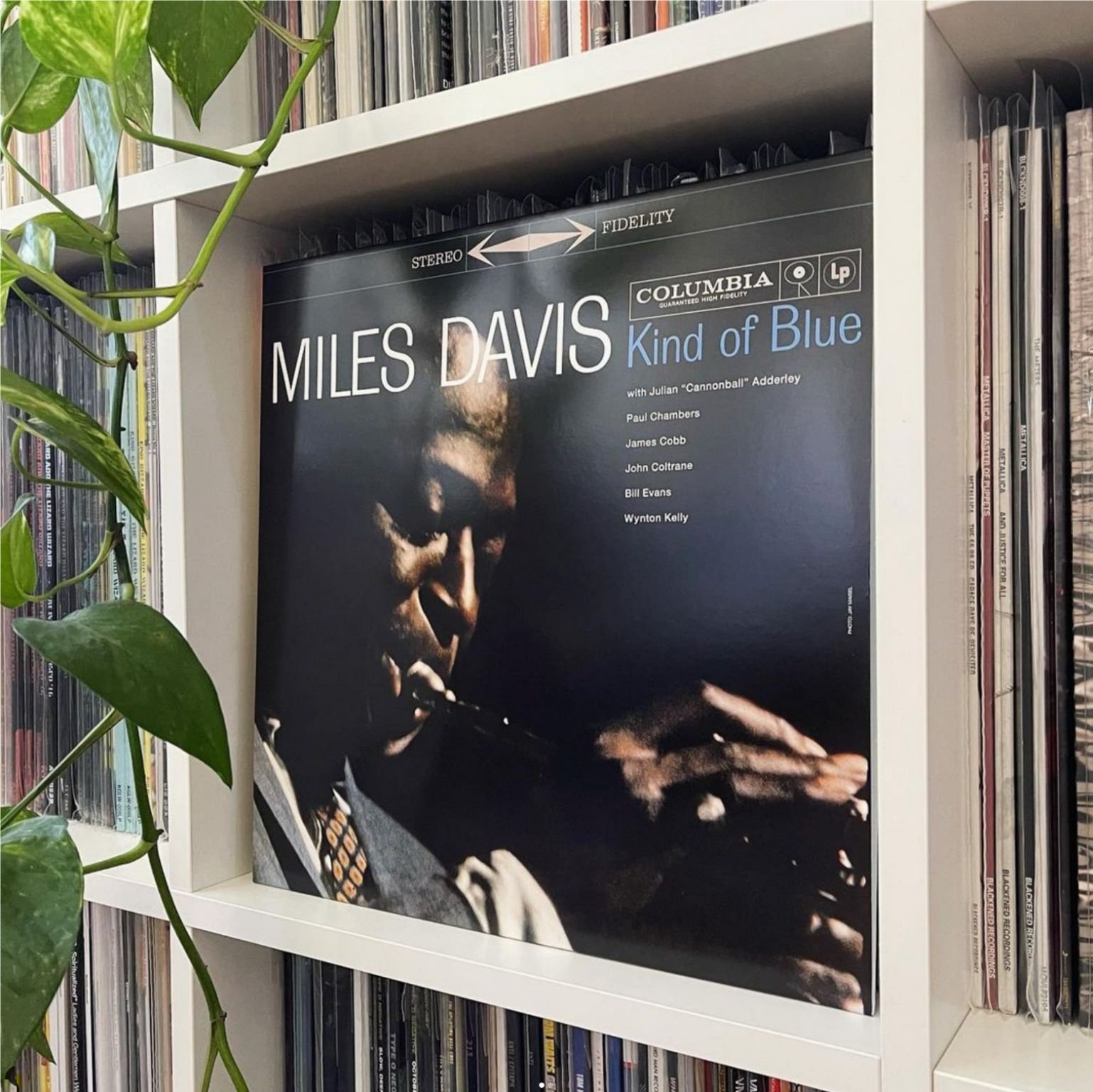
Kind of Blue
Miles Davis was a visionary - perhaps the greatest jazz musician of them all. On March 2nd 1959, Miles walked into Columbia's 30th Street Studio in New York City with his bandmates, and in just seven hours of recording they created Kind of Blue, regarded by many critics as the greatest jazz album of all time, and one of the most influential albums ever made.
Seven hours. That's all it took. Just like the time you have tomorrow, in between when you clock in and clock out. It's the opportunity you have every day this week. Seven hours is all it takes to create a masterpiece.
OK, it helped that before he started, he had some brilliant musical ideas and a tracklist. It helped that he had a band around him that included greats like John Coltrane and Cannonball Adderley, and that he'd spent years learning from some of the greats that went before him. And it certainly helped that he was in one of the best environments for recording in the world.

Design Matters with Debbie Millman
Graham Allcott 0:07
My guest today is Debbie Millman. Debbie was described by Fast Company as one of the most creative people working in business, and she's the founder of the hugely influential Design Matters podcast. From 1995 to 2016, Debbie worked in leadership roles for Sterling Brands, leading influential projects for the likes of Burger King, Star Wars 7up and Campbell Soup. A new book, Why design matters, taps into the brains of Tim Ferriss, Brene Brown, Esther Perel, and Malcolm Gladwell, amongst many others, and explores what it means to be creative and innovative, in work, and in life. In this episode, we talk about her pioneering work, who owns your logos, how to deal with internet pylons, and much more. This is Debbie Millman.
So I'm with Debbie Millman. How are you?
Debbie Millman 1:31
Hey, Graham, I'm good. It's really nice to be here with you.
Graham Allcott 1:35
It was just really great to have you on the show. And so we're going to talk a bit about your book, Why design matters. And I thought maybe the best place to start would be to mention the fact that I am talking to one of the Oh, geez of podcasting, right, like you like a legend in podcasting. So let's start with that, because that's pretty central to the book, too. So the podcast is Design Matters. And you started your podcast in 2005.