
How to design a team away day that actually changes behaviour
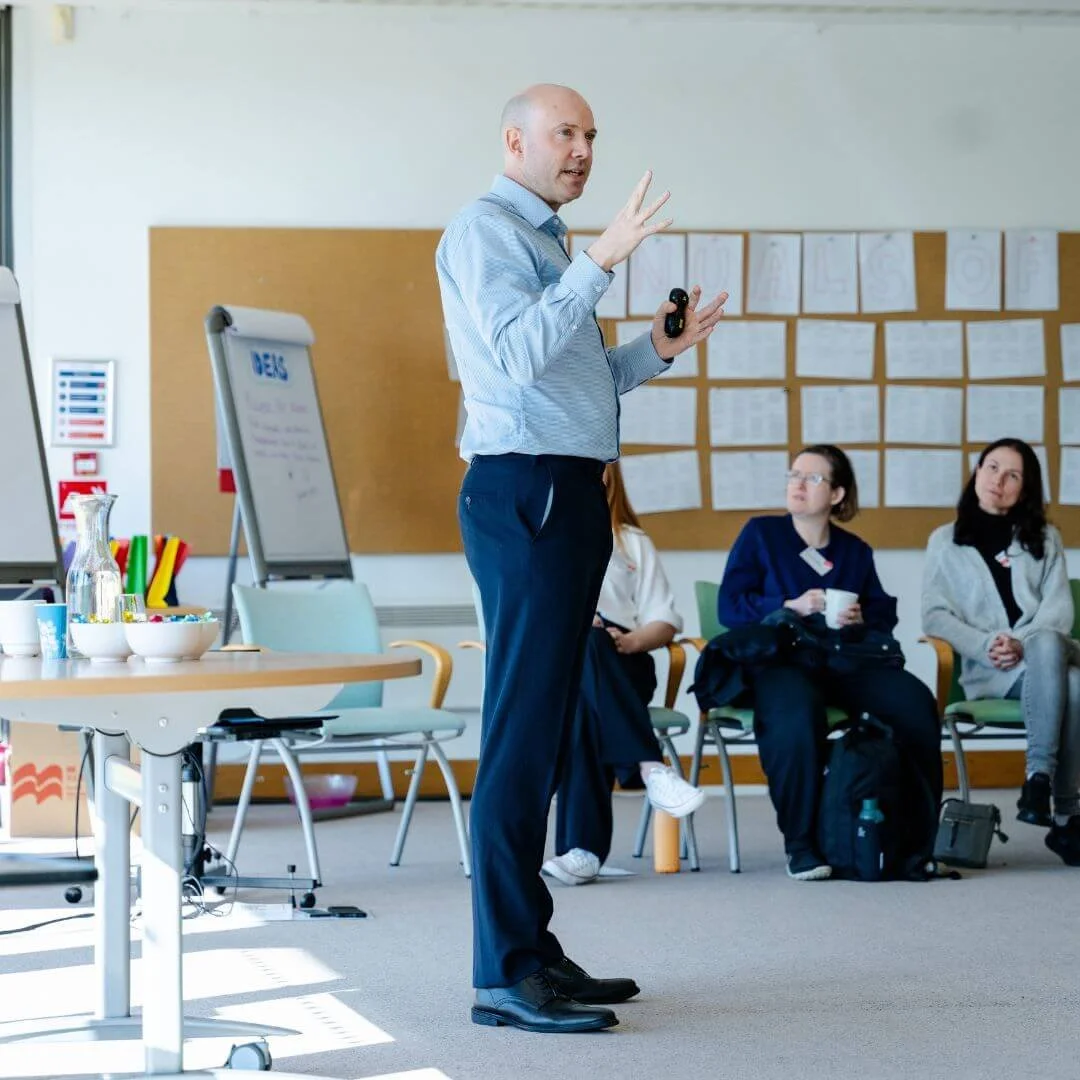
Most team away days look good on paper. A packed agenda. A high-energy facilitator. A few exercises thrown in to keep people awake. By the end, everyone’s tired, slightly overfed and still quietly unsure what they’re meant to do differently on Monday.
It doesn’t need to be this way.
A good away day earns its place in the calendar. It gives people space to think, reconnect and see the work with fresh eyes. And crucially, it changes behaviour afterwards.
After years of delivering KIND sessions and Productivity Ninja workshops, I’ve seen a few patterns in what works and what quietly derails the whole thing.
Let’s start with why many away days fall flat.
Too much content, not enough clarity
Leaders want value for money, which often means overfilling the schedule. You end up with a day that races from one topic to another with no time to breathe. People leave with full notebooks and empty heads.
Clarity beats content every time.
If your team can walk away understanding:
what matters most
what needs to change
what that looks like in daily behaviour
…then the day has done its job.
Fun is good. Depth is better.
There’s a place for fun. It lowers the guard and lifts the energy. But when it becomes the main event, you get a day that feels good in the moment and achieves little afterwards.
Depth doesn’t mean heaviness. It means permission for people to talk honestly about:
how work feels
where things get stuck
what support they need
what they’re proud of
what they’ve been avoiding saying
Once that honesty is in the room, real movement becomes possible.
This is why KIND sessions work at away days. Kind ≠ Nice. It’s about clarity, empathy and accountability all working together. The conversations become more grounded and, often, more human.
Humans first, not tasks
Most teams arrive at an away day in various states of overwhelm. When you start by focusing on tasks, KPIs or targets, you miss the thing people are actually carrying.
Energy comes back when people feel seen.
The quickest way to unlock a productive day is to help the room settle. Check-ins. Slowing the pace. Letting people arrive fully. The work gets easier once the humans do.
Design the flow, not just the content
A great away day has a rhythm:
Arrival – settle the room, set intention, reduce anxiety.
Shared clarity – what’s happening, why it matters and what the team needs to face honestly.
Possibility – where the team can go from here.
Commitment – what people will actually change tomorrow, not next quarter.
Closure – leave people grounded, not overloaded.
When this flow is respected, the work lands.
When it isn’t, everyone leaves tired and nothing sticks.
Follow-through decides whether the day was worth it
The away day is the spark. What happens afterwards is the fuel.
You need:
clear commitments
visible ownership
a simple plan to revisit progress
permission to call each other back to the agreements you made
Teams that do this see real shifts. Teams that don’t end up repeating the same away day a year later, hoping for a different result.
If you want your 2026 away day to create real change
This is the work I specialise in: helping teams slow down, tell the truth, reconnect and leave with commitments they actually keep.
If you're specifically weighing up whether to book an external speaker, this piece on booking a speaker for a team away day covers that decision.
If you’re shaping your agenda for next year and want a session that gets people thinking, talking and changing how they work together, get in touch and let’s explore what would help your team most.
FAQ: Team Away Days
What makes a team away day effective?
An away day works when it brings people together around shared clarity, honest conversation and practical commitments. It’s not about cramming the agenda. It’s about helping the team slow down, understand what matters and decide how they’ll behave differently afterwards.
How long should a team away day be?
Most teams do well with a full day, but the length isn’t the important part. What matters is giving people enough time to settle, think and talk without rushing. A short, well-designed session with space to breathe beats a long agenda that tries to cover everything.
What should we include in a team away day agenda?
Start with people, not tasks. Include time for arrival, check-ins, shared clarity on what’s working and what’s not, and focused conversations about future behaviours. Tools from KIND work well here because they support truth, empathy and accountability.
How do we make sure actions from the away day actually happen?
You need visible commitments and a simple plan for follow-through. Agree who owns what and when you’ll check progress. When teams revisit their commitments quickly, even small changes stick.
How can a keynote or workshop improve a team away day?
A good keynote sets the tone. It gives the room shared language and helps people settle. KIND sessions work especially well because they open space for honest conversation and give people something meaningful to act on as a team.
Should a team away day include fun activities?
Fun helps people relax, but it shouldn’t take over.