
There’s a pattern I’ve seen played out in workshops with leaders more times than I can count. A manager, warm and well-liked, quietly letting a performance problem fester for months because raising it felt unkind. By the time it finally came out, it came out as a formal process, a shock to the person involved, and a mess for everyone. Avoided for kindness. Cruel in the end.
And that's the paradox at the heart of kind leadership. The thing that feels kindest in the moment – saying nothing, keeping the peace, not making it awkward – is very often the unkindest thing you can do over any length of time. The hard conversation you didn't have doesn't disappear. It just grows.
I'm convinced that the willingness to have difficult conversations, early and well, is one of the truest tests of whether a leader is actually kind or merely nice. So why is it so hard, and how do you get better at it?
Be clear about who the silence is protecting
When we avoid a hard conversation, we tell ourselves it's to spare the other person. Usually it's to spare ourselves the discomfort. That's worth being honest about, because once you see that the avoidance is mostly self-protection dressed up as consideration, it gets harder to justify. The kind move is to feel the discomfort and have the conversation anyway.
Earlier is kinder
A small, timely conversation – “I noticed this, can we talk about it?” – is infinitely kinder than a saved-up reckoning. People can course-correct from early, specific feedback. They can't do much with a six-month backlog delivered all at once. The longer you leave it, the bigger and more frightening the conversation becomes, for both of you. Speed is a form of care here.
Clarity is the kindness
The cruellest version of a hard conversation is the vague one – the hint, the slightly-off tone, the thing left half-said so the other person spends a week wondering what they did wrong. Being clear about what the issue is and what needs to change removes the fear, even when the message is difficult. People can handle hard truths. What they can't handle is fog.
You earn the right by building trust first
This is why kindness and hard conversations depend on each other. When you've shown someone, in a hundred small ways, that you've got their back, a difficult conversation lands as care rather than attack. The leaders who find these conversations easiest are the ones who've banked the most trust. The kindness done daily is what makes the honesty bearable when it's needed.
So if you find yourself sitting on something because raising it feels unkind, that's usually the signal that it's time. The discomfort you're avoiding is small. The cost of leaving it rarely is. Having the conversation, early and with care, is kindness in action – the difficult, unglamorous, genuinely useful version.
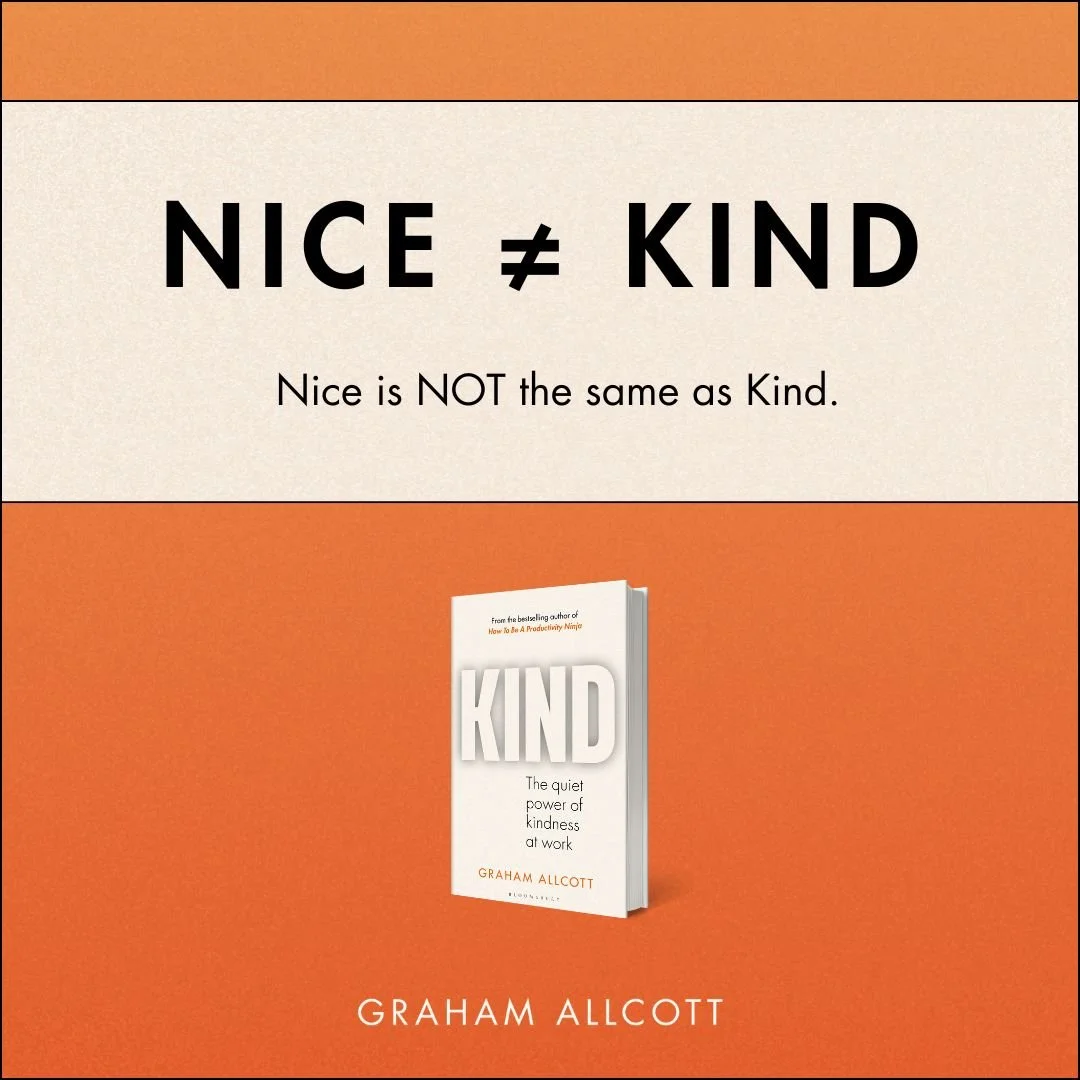
How leaders handle these moments is a thread that runs through my book KIND and my keynotes on kindness at work. You can find out about the talk here.

Frequently asked questions
Why do kind leaders need to have difficult conversations?
Because avoiding a difficult conversation is usually an act of self-protection, not kindness. When a leader stays silent about a performance issue, a conflict or a problem, they are protecting their own comfort at the cost of the other person’s growth and the team’s health. The kind move is to have the conversation early, clearly and with care – before silence turns into a much bigger problem.
How do you have a difficult conversation with kindness?
Have it early, before it grows. Be specific about what the issue is and what needs to change. Lead with care for the person, not just the task. And ask open questions before delivering verdicts. Clarity is the kindness: vague hints are crueller than a clear, caring conversation.
Is avoiding conflict at work unkind?
Often, yes. When leaders avoid difficult conversations to keep things pleasant, they leave people without the feedback they need to improve, allow problems to fester until they become serious, and make the eventual conversation far harder than it needed to be. Conflict avoidance feels kind in the moment and tends to be unkind over time.
How does trust make difficult conversations easier?
When you have shown someone, through consistent behaviour, that you care about them and have their back, a difficult conversation lands as support rather than attack. Leaders who find hard conversations easiest are the ones who have built the most trust – through everyday acts of kindness, honesty and follow-through.