
How Busyness Makes Us Accidentally Unkind
The unkindest things that happen at work are rarely done by unkind people. That's the part we get wrong. We picture the office villain, the deliberate bully, the person who enjoys being difficult. But most of the unkindness I see in organisations happens in passing, by good people, in a hurry – nothing to do with anyone's intentions.
The short reply that reads as cold because there was no time to soften it. The colleague's news that goes unacknowledged because the inbox was on fire. The team member who needed five minutes and got a distracted “can we do this later?” that never became later. None of it is malicious. All of it lands.
And that's the link I keep coming back to. I'm convinced that the biggest single source of accidental unkindness at work is busyness. When we're overloaded, the first thing to go is the small margin of attention and patience that kindness actually requires. Kindness takes a sliver of headspace, and busyness is precisely the state of having none to spare.
Which means something slightly awkward for anyone who cares about a kind culture: you can't separate it from how the place handles workload and attention. A frantic organisation will be an accidentally unkind one, however good its people are and however nice its values poster looks.
Busyness narrows attention to the task, not the person
When you're underwater, your focus collapses onto the next thing on the list. People stop being people and start being items – the email to answer, the request to deflect, the meeting to survive. Busy people don't decide to stop caring. The bandwidth caring needs has simply been spent. People first, work second is easy to say and impossible to do when the work is drowning you.
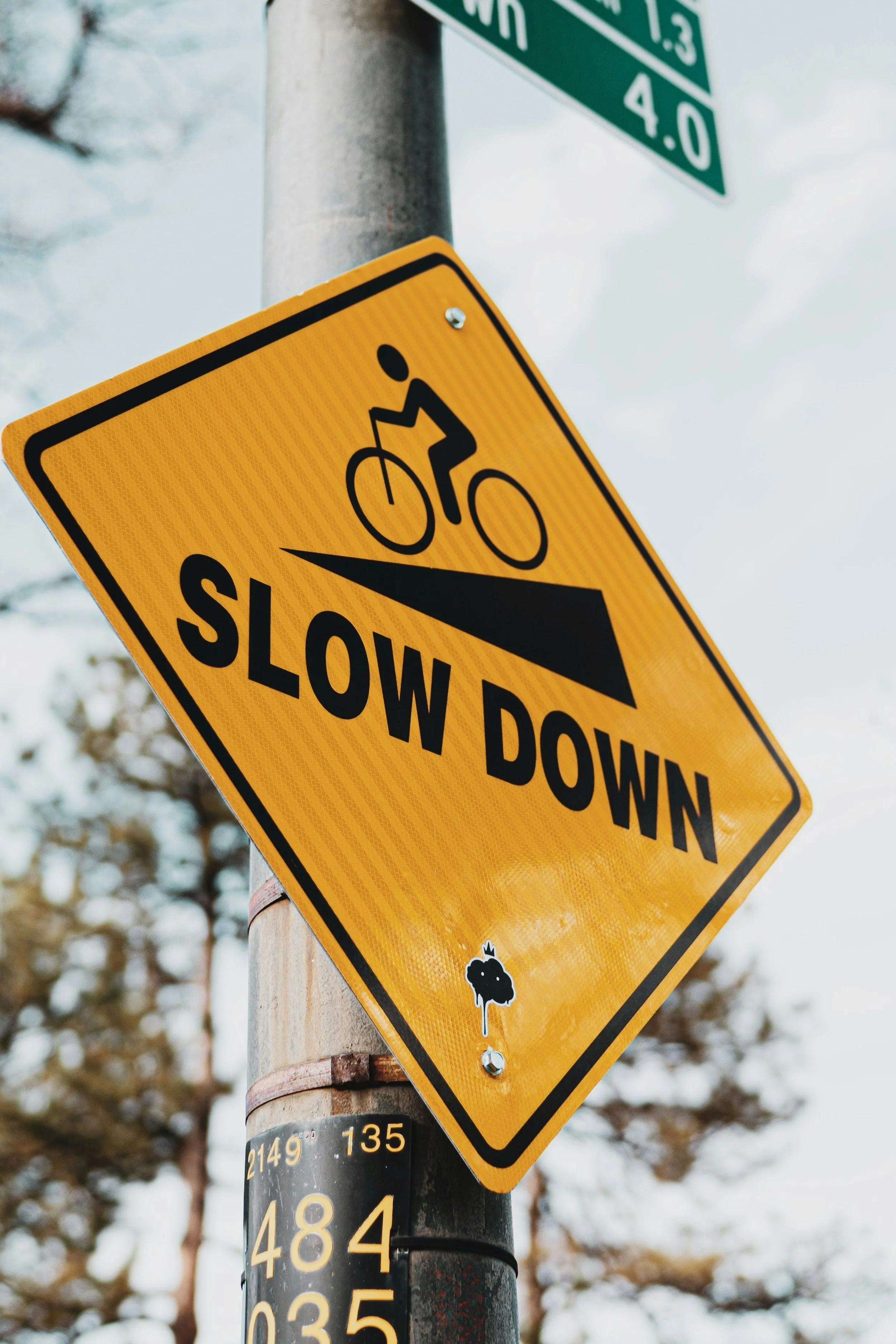
The fix is partly structural, partly personal
You can ask people to be kinder all you like, but if the workload makes kindness a luxury, you're asking them to do something the system won't allow. Protecting some slack – fewer meetings, realistic expectations, genuine permission to not be instantly responsive – is a precondition for a kind culture, part of the same job rather than a separate one. The headspace has to exist before the kindness can.
Slowing down is a leadership act
Leaders set the tempo. When the person at the top performs permanent busyness – always rushing, always half-present, replying at midnight – everyone reads it as the standard and the whole place speeds up to match. When a leader visibly protects time to think, to listen, to actually be present in a conversation, they give everyone permission to do the same. The pace of an organisation is mostly a kindness decision, even when nobody frames it that way.
So if you want a kinder team, it's worth looking at the calendar before the values. Busyness is a state of mind as much as a workload, and it's one we can choose to push back against. The space you protect – yours and your team's – is the space where kindness actually happens. Guard the headspace, and a lot of the kindness looks after itself.
How busyness and kindness pull against each other is one of the threads I explore in my talks and in my book KIND. You can find out about the keynote here.
Frequently asked questions
How does busyness affect kindness at work?
Busyness is the biggest single source of accidental unkindness in organisations. When people are overloaded, the margin of attention and patience that kindness requires gets spent first. Good people, with no intention of being unkind, send cold replies, miss someone’s news, or give a distracted non-answer to a colleague who needed five minutes. The behaviour is unkind even when the intention is not.
Why do busy people seem unkind?
When someone is overwhelmed, their focus narrows to the next task and people stop registering as people – they become items on a list to process. This is not a character flaw; it is what cognitive overload does. Kindness requires a small reserve of attention and care. Busyness is precisely the state of having no reserves left.
How can leaders create a kinder workplace culture?
Protect slack in the system: fewer unnecessary meetings, realistic workloads, genuine permission to not be instantly responsive. Model the pace you want – when leaders perform constant busyness, everyone matches it. Build in time for people to actually notice each other. Kindness needs headspace, and headspace is a structural decision, not just a personal one.
What is accidental unkindness at work?
Accidental unkindness is the harm caused not by bad intentions but by distraction, overload and busyness. It includes the short reply that reads as dismissive, the colleague’s announcement that goes unacknowledged, the request for help that gets a rushed brush-off. None of it is deliberate. All of it lands. Most workplace unkindness falls into this category.